
How to Choose the Orthopaedic Implants for Your Surgery
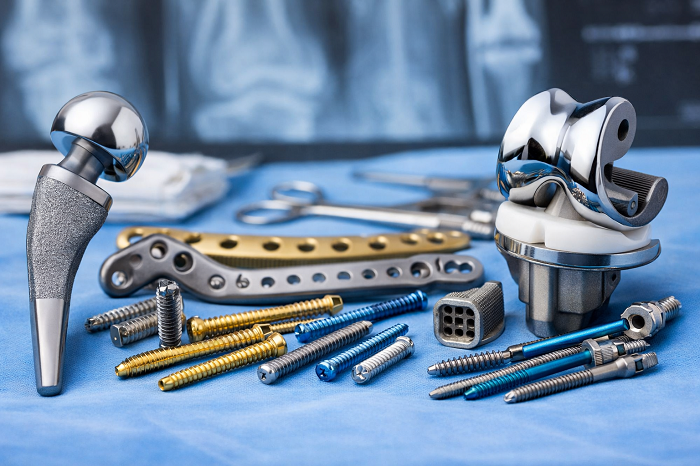
Orthopaedic surgery plays a crucial role in restoring mobility, relieving pain, and improving the quality of life for patients suffering from bone, joint, or musculoskeletal conditions. Whether it is a fracture fixation, joint replacement, or spinal procedure, the success of the surgery depends not only on the surgeon’s expertise but also on the quality and suitability of the orthopaedic implant used. Choosing the right implant is a critical decision that involves several medical, technical, and patient-specific factors.
Understanding what to look for in an orthopaedic implant can help patients feel more confident and informed before undergoing surgery.
Understand the Type of Surgery and Implant Required
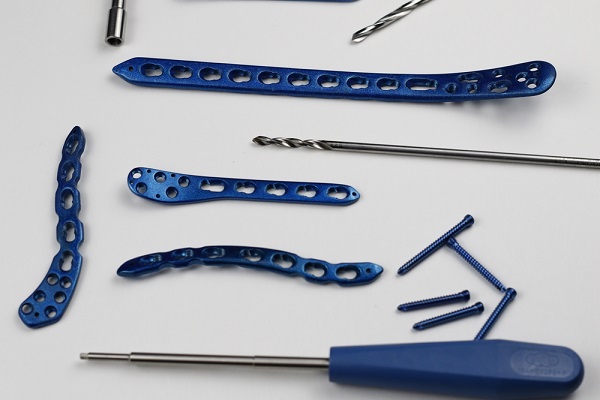
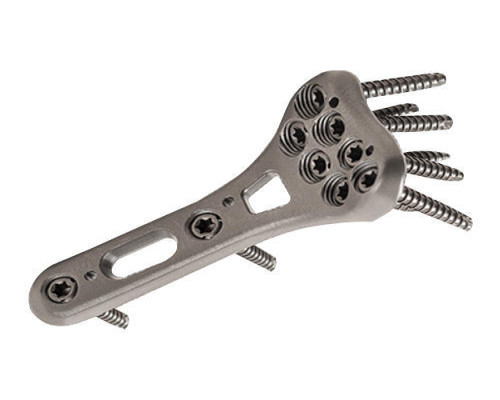
The first step in choosing an orthopaedic implant is understanding the nature of your surgical procedure. Different conditions require different implant types. For example, trauma cases may need plates, screws, or intramedullary nails, while joint degeneration may require hip or knee replacement implants. Spinal conditions often involve rods, cages, or pedicle screws.
Your surgeon will recommend the implant type based on the affected bone or joint, the severity of the condition, and the desired outcome. Patients should not hesitate to ask questions about why a particular implant is being recommended and how it supports recovery.
Material Quality and Biocompatibility
Orthopaedic implants are typically made from materials such as stainless steel, titanium alloys, or cobalt-chromium. These materials are chosen because they are strong, corrosion-resistant, and compatible with the human body.
Biocompatibility is extremely important, as the implant must not cause adverse reactions or rejection. Titanium implants, for instance, are widely used because they are lightweight, durable, and integrate well with bone. The choice of material can influence healing time, long-term comfort, and overall implant performance.
Implant Design and Precision
Modern orthopaedic implants are designed with advanced engineering to ensure anatomical accuracy and proper load distribution. A well-designed implant fits the patient’s anatomy closely, reducing stress on surrounding tissues and improving mobility after surgery.
Precision manufacturing helps ensure consistent quality and reliable performance. Poorly designed implants can lead to discomfort, limited movement, or the need for revision surgery. This is why implant design and manufacturing standards should never be overlooked.
Surgeon’s Experience and Preference
An experienced orthopaedic surgeon’s familiarity with a particular implant system is a key factor in achieving successful outcomes. Surgeons often prefer implants they have used extensively and trust for predictable results.
The surgeon’s expertise with implantation techniques, instrumentation, and post-operative management can significantly influence recovery and long-term implant stability. Patients should feel comfortable discussing the surgeon’s experience with the recommended implant system.
Compliance with Regulatory Standards
Orthopaedic implants must meet strict quality and safety regulations. Certifications such as ISO, CE marking, or approvals from relevant health authorities indicate that the implant has undergone rigorous testing for safety, strength, and reliability.
Choosing implants that comply with recognised international standards helps minimise risks related to implant failure, infection, or complications.
Longevity and Performance
An orthopaedic implant is often expected to function effectively for many years. Durability and long-term performance are especially important in joint replacement surgeries, where implants endure continuous movement and load.
Factors such as wear resistance, surface coating, and fixation method (cemented or cementless) influence implant longevity. A high-quality implant reduces the likelihood of loosening or revision surgery in the future.
Availability and Post-Surgical Support
Consistent availability of implants and compatible instruments is essential, particularly if future procedures or revisions are required. Reliable suppliers ensure that the same implant system or compatible components remain accessible.
Support services, technical assistance, and proper documentation also contribute to smoother surgical planning and follow-up care.
Choosing a Trusted Manufacturer
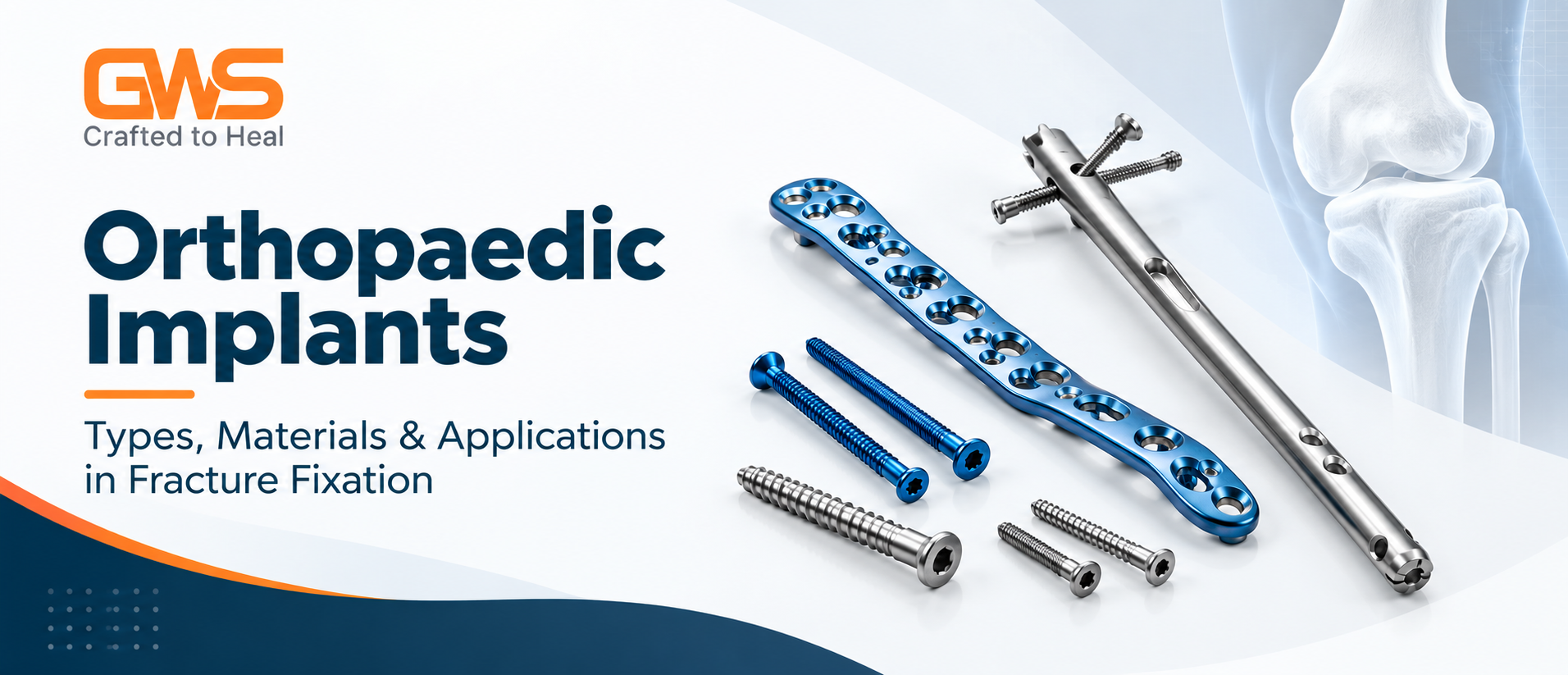
Selecting implants from reliable orthopedic implant manufacturers in India is important for ensuring quality, innovation, and compliance with global standards. Reputed manufacturers invest in research, precision manufacturing, and quality control to deliver implants that meet the evolving needs of surgeons and patients.
One such trusted name in the field is GWS Surgicals LLP., known for providing high-quality orthopaedic implants designed to support safe surgeries and effective patient recovery.
Final Thoughts
Choosing the right orthopaedic implant is a shared decision between the patient and the surgeon. By considering factors such as implant type, material quality, design precision, regulatory compliance, and manufacturer reliability, patients can approach their surgery with greater confidence.
An informed choice not only enhances surgical success but also contributes to faster recovery, improved mobility, and long-term comfort. Taking the time to understand these aspects ensures that your orthopaedic surgery is supported by implants that are safe, durable, and tailored to your medical needs.
Leave a comment
No comments yet. Comments are reviewed before they appear.