
What Is a Suction Machine Used For?
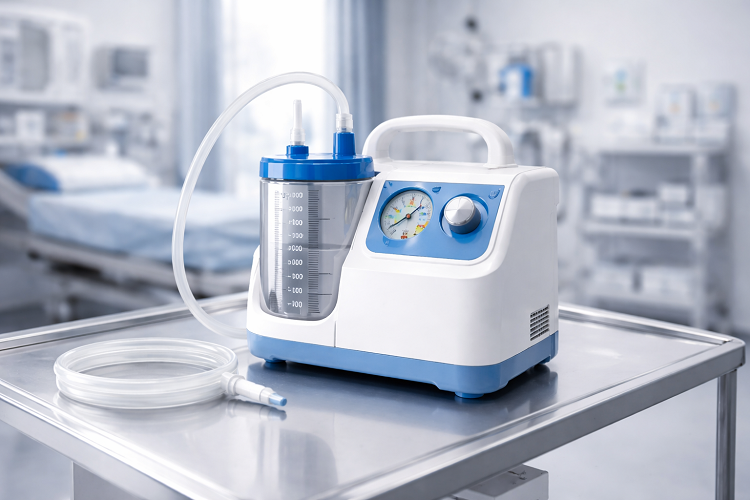
A suction machine is a vital medical device used to remove fluids, mucus, blood, saliva, or other secretions from a patient’s airway or surgical area. It plays a critical role in maintaining a clear airway, improving breathing, and ensuring patient safety in hospitals, clinics, ambulances, and even home-care settings. From emergencies to routine medical procedures, suction machines are widely used across healthcare environments.
Understanding a Suction Machine
A suction machine works by creating negative pressure (vacuum) that pulls unwanted fluids through a tube and collects them in a container. This simple yet powerful mechanism helps prevent airway obstruction and reduces the risk of complications such as infections, aspiration, or breathing difficulties.
These machines are commonly operated by doctors, nurses, paramedics, and trained caregivers. Depending on the setting, suction machines may be manual, electric, or battery-operated, making them suitable for both stationary and mobile use.
Primary Uses of a Suction Machine
1. Clearing Airways
One of the most important uses of a suction machine is clearing the airway of patients who are unable to do so themselves. This includes patients who are unconscious, elderly, paralyzed, or suffering from respiratory conditions. By removing mucus and secretions, the machine helps maintain oxygen flow and prevents choking.
2. Emergency and First Aid Situations
In emergency care, suction machines are lifesaving devices. They are used in ambulances, emergency rooms, and trauma centers to quickly remove blood or vomit from the airway, especially during accidents, cardiac arrests, or severe injuries. Rapid airway clearance can significantly improve survival chances.
3. Surgical Procedures
During surgeries, especially oral, ENT, and general surgical procedures, suction machines help keep the operating field clear. Removing blood and fluids allows surgeons to work with better visibility and precision, reducing the risk of errors and complications.
4. Intensive Care Units (ICUs)
Patients in ICUs often require continuous airway management. Suction machines are used for intubated or ventilated patients to remove secretions from the trachea and lungs. Regular suctioning helps prevent ventilator-associated infections and improves respiratory function.
5. Home Healthcare Use
With the rise of home healthcare, suction machines are increasingly used for patients with chronic illnesses such as COPD, neurological disorders, or long-term tracheostomies. Portable suction machines allow caregivers to manage secretions safely at home, reducing hospital visits and improving quality of life.
6. Neonatal and Pediatric Care
In neonatal units, suction machines are used to clear the airways of newborns, especially premature babies who may have difficulty breathing on their own. Gentle and controlled suctioning is essential to ensure safety in pediatric care.
Types of Suction Machines
Suction machines are available in different types based on usage requirements:
- Manual suction machines: Operated by hand, commonly used in emergencies or areas without electricity
- Electric suction machines: Widely used in hospitals and clinics for continuous and reliable suction
- Portable suction machines: Battery-powered and lightweight, ideal for ambulances and home care
- Wall-mounted suction systems: Fixed installations commonly found in operating theaters and ICUs
- Each type serves a specific purpose, depending on mobility, suction power, and duration of use.
Key Benefits of Using a Suction Machine
- Helps maintain a clear and open airway
- Reduces risk of aspiration and respiratory complications
- Improves patient comfort and breathing efficiency
- Enhances safety during surgeries and emergencies
- Essential for critical care and long-term patient management
- These benefits make suction machines indispensable in modern healthcare.
Who Needs a Suction Machine?
Suction machines are essential for hospitals, nursing homes, emergency services, surgical centers, and home-care providers. Healthcare facilities often rely on trusted Suction Machine suppliers to ensure they receive reliable, durable, and medically approved equipment that meets safety standards.
Choosing the Right Suction Machine
When selecting a suction machine, factors such as suction power, noise level, portability, ease of cleaning, and maintenance requirements should be considered. For medical facilities, compliance with regulatory standards and the availability of spare parts are also important.
Conclusion
A suction machine is more than just a medical device—it is a critical tool that supports breathing, enhances patient safety, and assists healthcare professionals in delivering effective care. Whether used in emergencies, surgeries, intensive care units, or home settings, suction machines play a vital role in saving lives and improving patient outcomes. Understanding their uses and importance helps healthcare providers and caregivers make informed decisions and ensure the best possible care for patients.

Leave a comment
No comments yet. Comments are reviewed before they appear.